Government plans to restrict "high-risk" cosmetic treatments to doctors, dentists and prescribers
Draft rules would limit nine treatment types, from IV drips to PRP facials, to doctors, dentists and prescribers in CQC-registered clinics. The consultation closes on 13 January.
The Department of Health and Social Care (DHSC) has published draft rules for England that would restrict a list of "high-risk" cosmetic treatments to qualified healthcare professionals working in clinics registered with the Care Quality Commission (CQC). The consultation opened on 21 October 2026 and closes at 11.59pm on 13 January 2027.
What would be covered
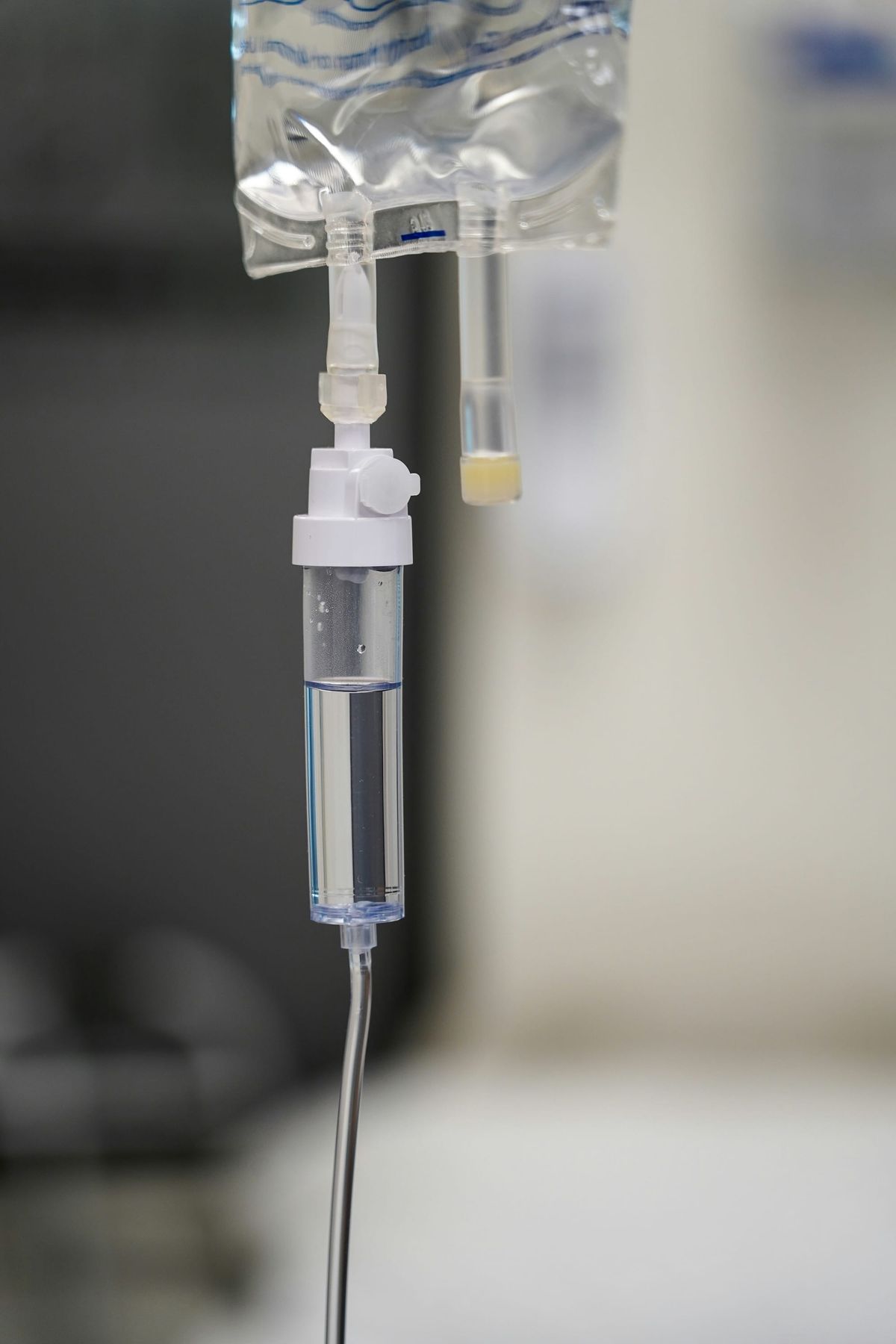
The draft covers nine categories: cosmetic surgery (such as liposuction, facelifts and breast surgery) and body fillers; deep chemical peels; dermal microcoring; IV treatments for cosmetic or wellbeing purposes, including vitamin drips; specified laser and IPL treatments; permanent (non-resorbable) facial fillers; procedures where anaesthetic is given as a separate injection; treatments using blood or plasma products, including PRP "vampire facials"; and subcision, including for cellulite.
Who could perform them
Fillers injected outside the face, including liquid Brazilian butt lifts, would be classed as cosmetic surgery, so only doctors could carry them out. The other treatments would be limited to doctors, dentists, and nurses, midwives and pharmacists who are qualified independent prescribers. Nurses without a prescribing qualification would not qualify. Treatments would generally be banned for under-18s.
Penalties
Clinics offering these treatments would need to register with the CQC. Providers and registered managers who let an unauthorised practitioner carry out a covered treatment, or treat someone under 18, could face unlimited fines on prosecution, or fixed penalties of £4,000 for providers and £2,000 for registered managers.
Timeline
Legislation is planned for spring 2027, followed by a transition period for providers to register with the CQC. Separately, the government says it remains committed to a licensing scheme for lower-risk treatments such as Botox and lip fillers, but that scheme still has no timetable.
Victoria Brownlie of the British Beauty Council said the line between beauty treatments and medical procedures had "blurred". The patient safety group Save Face welcomed the proposals.
Subscribers can use our free checklist to see whether your clinic is affected.
Analysis: what it means for your clinic
This is the first firm draft of who may legally deliver which treatments, and it reaches well beyond injectables. IV drip and wellness clinics, laser clinics and salons offering deep peels or PRP would all be affected. Three things to check now: go through your treatment menu against the nine categories; for each covered treatment, check whether the person delivering it is a doctor, dentist or independent prescriber; and if you are not CQC-registered, start planning, because registration takes time. For doctor-, dentist- and prescriber-led clinics, the rules could bring new patients and partnership opportunities from providers who can no longer offer these treatments. The detail is still open, so respond to the consultation if the list affects you.
What to watch next: the consultation closes on 13 January 2027. After that, the final list of treatments and professions, and the length of the transition period.
Sources: PBL Magazine (21 October 2026); British Beauty Council (21 October 2026).
The Weekly Briefing, every Monday at 7am
The week's deals, regulation and growth news for clinic owners, in a five-minute read. Free. Check your junk folder for the confirmation email.