Analysis: who gains, and who has to adapt, under England's draft cosmetics rules
Prescriber-led clinics stand to gain, salons may need partners or buyers, and independent prescribing becomes more valuable. What the draft rules could mean for the sector.
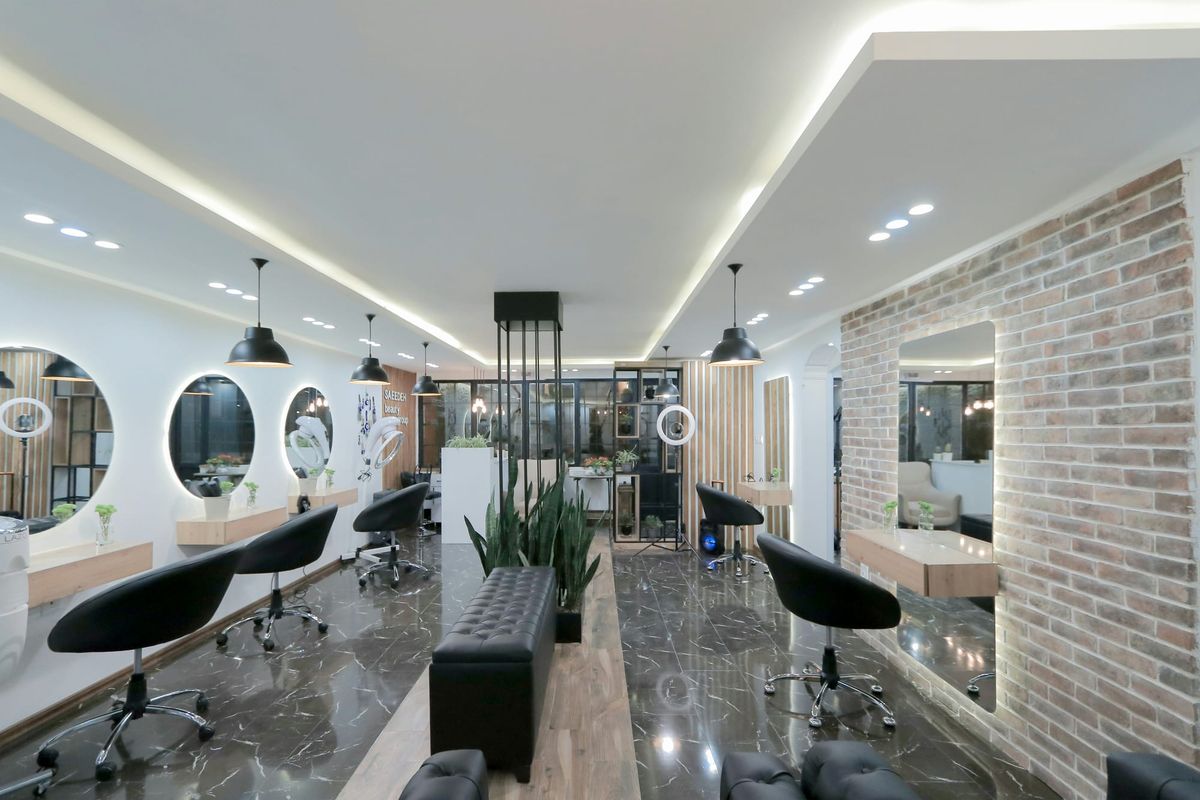
The government's draft rules would limit nine types of cosmetic and wellbeing treatment in England to doctors, dentists, and nurses, midwives and pharmacists who are qualified independent prescribers, working in clinics registered with the Care Quality Commission (CQC). The rules are still a draft, and the consultation closes on 13 January 2027. But if they pass in something like their current form, they will move work, staff and possibly whole businesses around the sector.
The detail that matters most
As drafted, the treatments must be performed by one of the listed professionals. Supervising a beauty therapist who carries out the treatment would not be enough. That is different from proposals published in August 2025 for lower-risk treatments such as Botox, where non-healthcare practitioners could work under the oversight of a named, regulated healthcare professional. Those lower-risk rules are part of a separate licensing scheme that still has no timetable.
The Weekly Briefing, every Monday at 7am
The week's deals, regulation and growth news for clinic owners, in a five-minute read. Free. Check your junk folder for the confirmation email.